


TERESIAN CENTRE FOR INDIAN KNOWLEDGE SYSTEM (IKS)

1. Introduction
The Teresian Centre for Indian Knowledge System (IKS) at St. Teresa’s College (Autonomous), Ernakulam, is established in alignment with the University Grants Commission (UGC) guidelines to promote the understanding, preservation, and dissemination of India’s rich ancient traditions. This initiative aims to integrate India’s traditional knowledge into contemporary education, research, and innovation, making it an integral part of the academic ethos, student learning experiences, and institutional practices of the college.
2. Vision and Mission
Vision
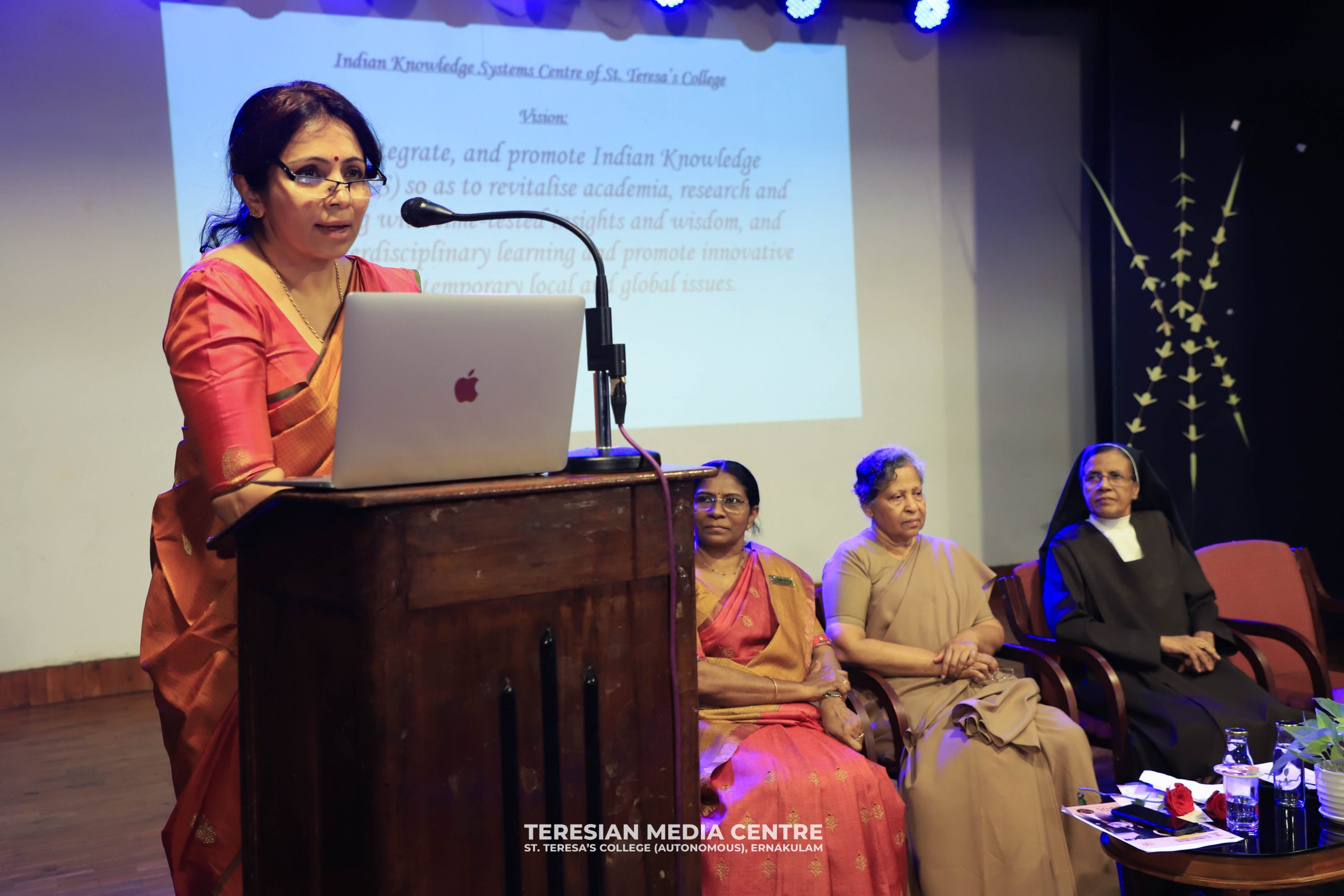
To revive, integrate, and promote Indian Knowledge Systems (IKS) to revitalize academia, research, and daily living with time-tested insights and wisdom embedded in India’s tradition and knowledge systems.
Mission
The Centre for Indian Knowledge System (IKS) at St. Teresa’s College aims to internalize the traditional wisdom of Indian society within the institutional framework, instilling in students a value-based way of living embedded in love, companionship and the idea of universal harmony.
3. Objectives
- Holistic understanding of the world and our place in it- interconnectedness, responsibility, personal growth and harmony.
- To create a culture permeated with Indian knowledge
- To align IKS principles with the values and educational philosophy of Teresa’s College.
- To establish a structured academic framework for
- To integrate IKS concepts into the curriculum across
- To conduct research and documentation on IKS, including Ayurveda, Yoga, Vedic Mathematics, Linguistics, Architecture, Performing Arts, and Indigenous Science &
- To facilitate collaboration with national and international institutions working on
- To create awareness and appreciation of IKS among students, faculty, and the wider
4. Scope of Activities
The Centre for IKS shall undertake the following activities:
Academic Programmes
- Offer certificate, diploma, and elective courses in IKS, incorporating relevant traditional knowledge systems into interdisciplinary learning.
Research and Publications
- Encourage research projects, scholarly publications, and documentation of traditional knowledge, fostering cross-disciplinary engagement.
Workshops and Seminars
- Organize interactive sessions featuring experts from diverse fields of
Community Outreach
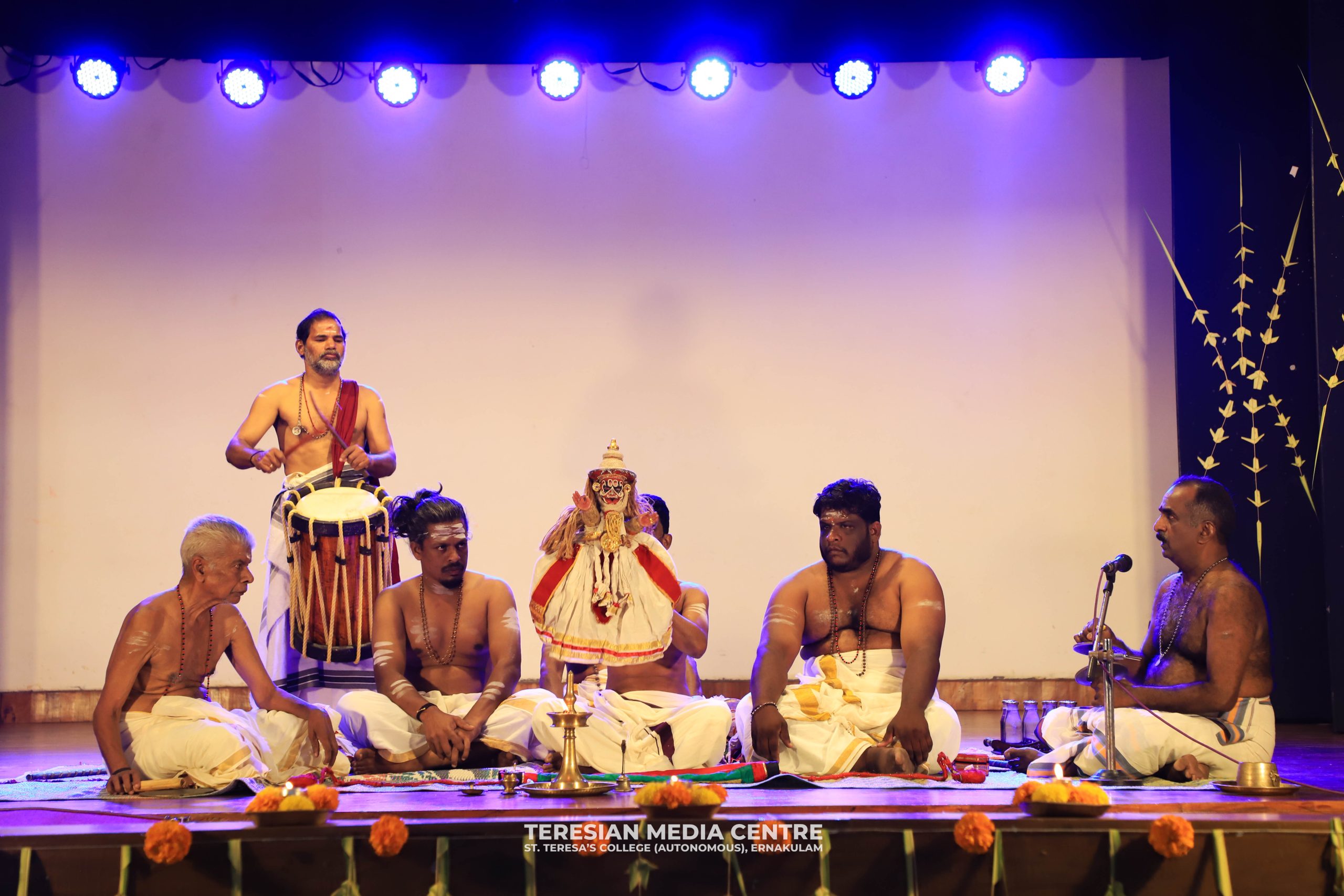
- Conduct awareness programs, cultural exhibitions, and field visits to indigenous knowledge hubs.
Collaboration
- Partner with universities, research institutions, and government bodies to facilitate knowledge exchange and implementation.
5. Research & Documentation
- Conducting ethnographic studies on indigenous knowledge traditions, focusing on Kerala’s cultural and intellectual heritage.
- Digitizing and preserving manuscripts and oral traditions specific to South
- Encouraging faculty and students to undertake research projects aligned with the UGC’s IKS initiatives.
- Promoting interdisciplinary research linking IKS with contemporary science, technology, and social sciences.
6. Collaboration and Networking
- Establishing linkages with institutions like the Indian Knowledge Systems Divisionunder the Ministry of Education.
- Partnering with scholars, practitioners, and research centers in India and
- Engagingin student and faculty exchange programs to enhance knowledge-
- Collaborating with Kerala-based institutions that specialize in indigenous knowledge and cultural heritage.
7. Implementation and Monitoring
- TheCentre shall conduct an annual review of its
- Adetailed report on research progress, academic programs, and collaborations shall be submitted to the college’s governing body.
- Feedback mechanisms shall be in place to assess the impact of IKS integration in academics and research.
- Creating evaluation metrics to measure the effectiveness of IKS implementation in teaching, research, and community engagement.
8. Ethical Considerations
- Ensuring respect for indigenous and traditional knowledge
- Adheringto ethical research practices while documenting
- Preventing commercialization of traditional knowledge without appropriate recognition and benefit-sharing.
- Promoting awareness of the importance of intellectual property rights concerning traditional knowledge.
9. Governance Structure
The Centre for IKS shall be governed by an advisory committee consisting of:
- Principalof Teresa’s College
- IQAC Coordinator
- Head of the IKS Centre
- Senior faculty members from relevant disciplines
- Experts in Indian Knowledge Systems
- Student representatives
The advisory committee shall meet periodically to oversee the implementation of initiatives, assess progress, and provide strategic direction.
10. Funding and Sustainability
- The Centre shall seek funding from government bodies, private institutions, and research grants.
- Revenue generation through workshops, certificate courses, and consultancy services related to IKS.
- Partnerships with industry and academia to ensure the long-term sustainability of the
Conclusion
The establishment of the Centre for Indian Knowledge System at St. Teresa’s College is a progressive step toward bridging the gap between ancient wisdom and contemporary education.